
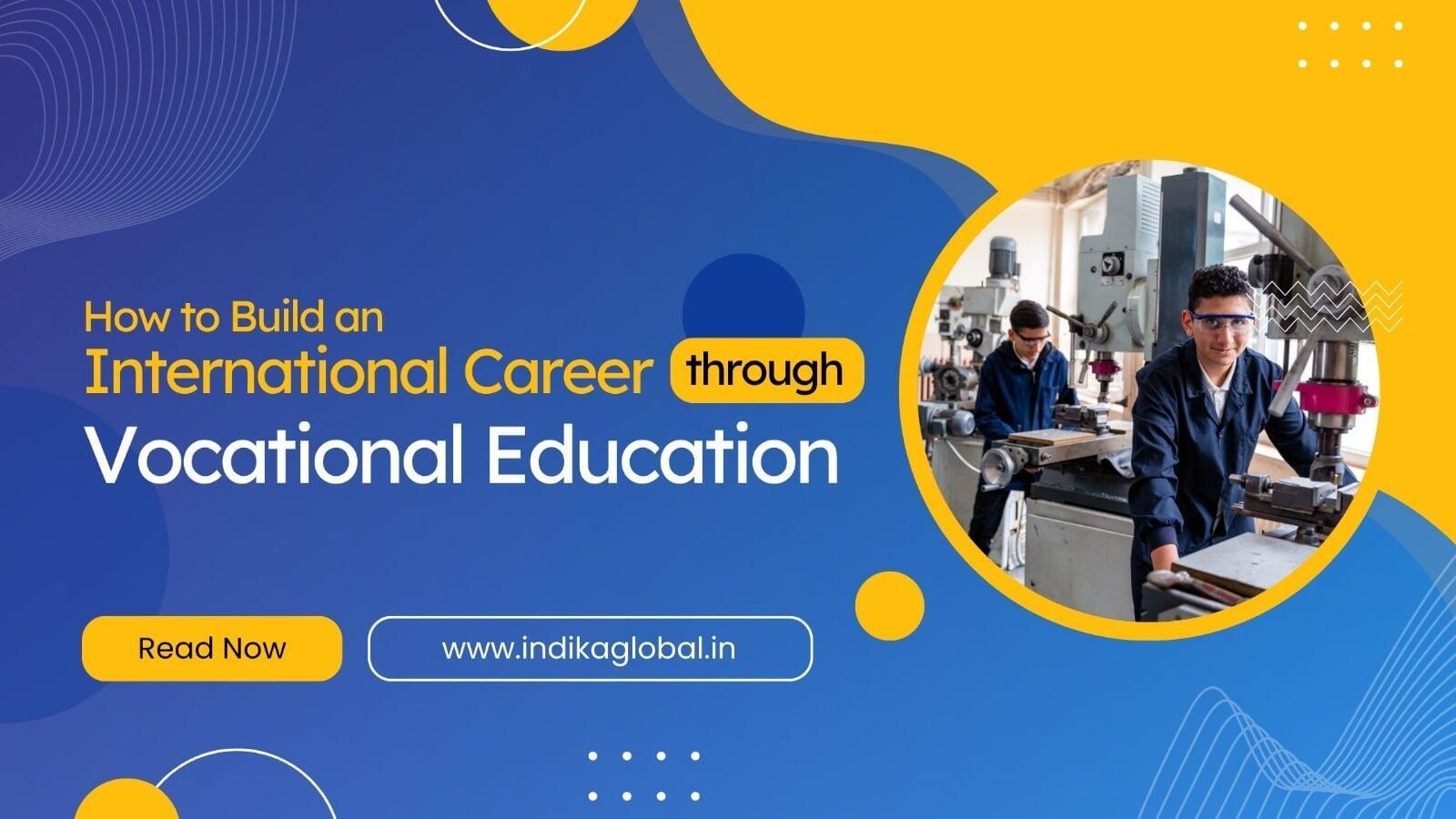
For many years, a university degree was considered the only pathway to a successful career. However, the job market has changed significantly. Today, employers are placing greater value on practical skills, industry knowledge, and hands-on experience. As a result, vocational education is becoming an increasingly popular choice for individuals who want to build successful careers both locally and internationally.
Whether you are interested in hospitality, culinary arts, business, healthcare, or skilled trades, vocational education can provide the knowledge and experience needed to enter the workforce confidently. For those planning to study or work overseas, seeking guidance from an experienced Abroad Education Consultancy can make the journey much smoother and more rewarding.
Why Vocational Education Is Becoming More Popular
Vocational education focuses on preparing students for specific careers through practical learning and industry-relevant training. Unlike traditional academic programmes that often emphasise theory, vocational courses are designed to help students develop the skills employers are actively seeking.
Many industries around the world are facing skill shortages, particularly in sectors such as hospitality, healthcare, construction, business services, and tourism. This has created a growing demand for qualified professionals who can contribute effectively from day one.
As a result, vocational qualifications are becoming highly respected and recognised by employers globally. Students are increasingly choosing vocational pathways because they offer practical training, shorter study durations, and stronger employment prospects.
The Growing Demand for Skilled Professionals
Global employers are constantly looking for individuals with specialised skills and real-world experience. Occupations such as chefs, cooks, hospitality staff, business administrators, and skilled tradespeople continue to be in high demand across many countries.
The modern workforce is evolving rapidly, and businesses are seeking employees who can adapt quickly to changing industry requirements. Vocational education equips students with practical knowledge and workplace-ready skills, making them valuable candidates in competitive job markets.
This growing demand for skilled professionals means that vocational graduates often have access to a wide range of career opportunities both within their home country and internationally.
How an Abroad Education Consultancy Can Help
Choosing the right course, institution, and study destination can sometimes feel overwhelming. This is where an Abroad Education Consultancy can provide valuable support.
A professional consultancy helps students understand their options based on their career goals, interests, and qualifications. Rather than simply recommending courses, they guide students through every stage of the process, from selecting suitable programmes to preparing documentation and understanding future career opportunities.
Working with an experienced Abroad Education Consultancy can help students make informed decisions and avoid common mistakes that may affect their educational or career plans.
Vocational Education Opens Doors to International Careers
One of the biggest advantages of vocational education is its strong connection to employment. Many vocational programmes are developed in partnership with industry professionals to ensure graduates possess skills that match current workforce needs.
For example, hospitality and culinary programmes often include practical training that prepares students for real workplace environments. Business-related vocational courses focus on developing administrative, communication, and management skills that are valued across industries.
These industry-focused programmes can help students gain the confidence and experience needed to pursue international career opportunities. Employers often prefer candidates who have practical training because they require less time to adapt to workplace responsibilities.
Skills That Employers Value
While technical expertise is essential, employers also look for a range of transferable skills that contribute to long-term success.
Vocational education helps students develop important workplace skills such as:
Communication
Teamwork
Problem-solving
Time management
Adaptability
Leadership
Customer service
These skills are valuable across different industries and can significantly improve employability in both local and international job markets.
Planning Your Future Career
Building an international career requires more than simply choosing a course. It involves understanding industry trends, identifying career opportunities, and selecting educational pathways that align with future goals.
Vocational education provides a practical foundation for career growth by combining theoretical knowledge with hands-on experience. With the support of a trusted Abroad Education Consultancy, students can explore opportunities that match their ambitions and prepare themselves for success in a global workforce.
The key is to focus on developing skills that are in demand and gaining qualifications that are recognised by employers. By making informed decisions early, students can create a clear pathway towards a rewarding international career.
Conclusion
Vocational education is no longer viewed as an alternative option—it has become a preferred pathway for many individuals seeking meaningful and sustainable careers. Its practical approach to learning, strong connection to industry needs, and focus on employability make it an excellent choice for those aiming to work internationally.
As global demand for skilled professionals continues to grow, vocational qualifications can provide a competitive advantage in the job market. With guidance from a reliable Abroad Education Consultancy, students can confidently navigate their educational journey and take important steps towards building a successful career without borders.